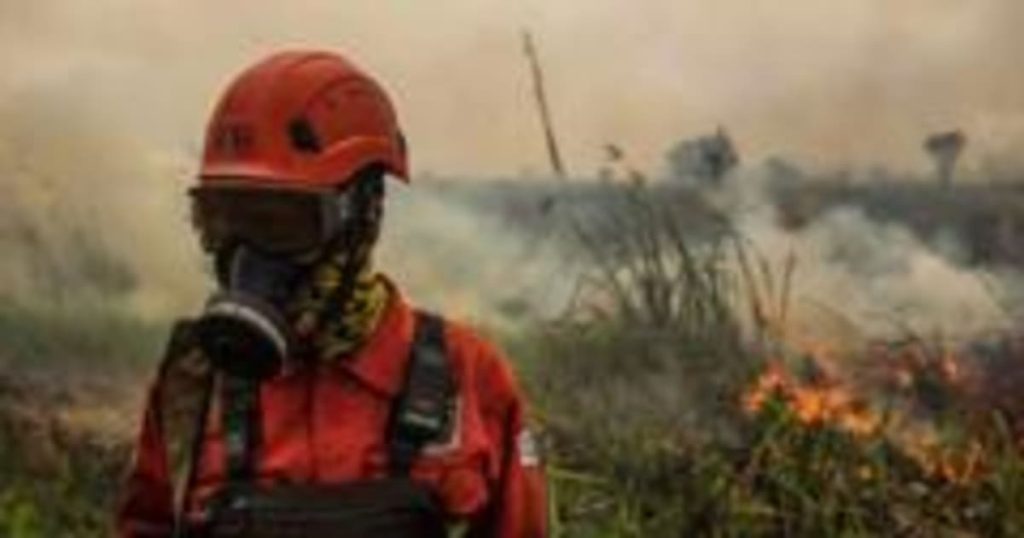
The ongoing environmental crisis in Southeast Asia has reached alarming levels as toxic haze from wildfires blankets the region. Millions are now grappling with the consequences of poor air quality, prompting urgent calls for action and awareness. Recent reports indicate that over 12,000 children are suffering from respiratory issues directly linked to the smog, highlighting the urgent need for immediate intervention.
As the phenomenon known as ‘super’ El Niño intensifies, conditions favorable for wildfires have surged, exacerbating the already precarious situation. The combination of prolonged drought and increased temperatures has led to widespread burning of forests and agricultural land, releasing harmful pollutants into the atmosphere. This year, the situation is particularly dire, with the haze spreading across multiple countries, affecting not only health but also daily life and economic activities.
Health Impacts and Community Response
Health experts warn that the toxic haze can lead to serious long-term health problems, particularly for vulnerable populations such as children and the elderly. Respiratory issues, eye irritation, and other complications are on the rise, prompting schools to close and outdoor activities to be curtailed. Communities are urged to stay indoors, but for many, especially those in low-income areas, this is simply not feasible.
Local authorities and health organizations are mobilizing resources to address the crisis. Emergency health services are being expanded, and awareness campaigns are being launched to inform the public about protective measures. Experts emphasize the importance of wearing masks and using air purifiers whenever possible, as well as staying hydrated and avoiding strenuous activities outdoors.
The Role of Climate Change
This crisis underscores the broader implications of climate change on our planet. The increasing frequency of extreme weather events, including droughts and wildfires, is a stark reminder of the urgent need for global cooperation in addressing environmental issues. As countries grapple with the immediate effects of the haze, there is a growing recognition that sustainable practices and policies are essential for long-term resilience.
Efforts to combat climate change must be escalated, with a focus on sustainable land management, reforestation, and reducing emissions from agriculture and industry. By adopting eco-friendly practices and promoting ethical consumption, individuals and communities can contribute to a healthier planet.
As Southeast Asia faces this significant health crisis, it serves as a call to action for all of us. While the challenges are immense, collective efforts can pave the way for a more sustainable and healthier future.