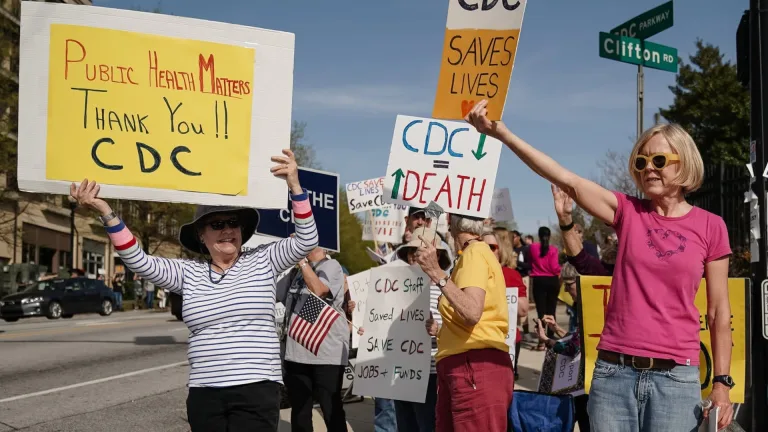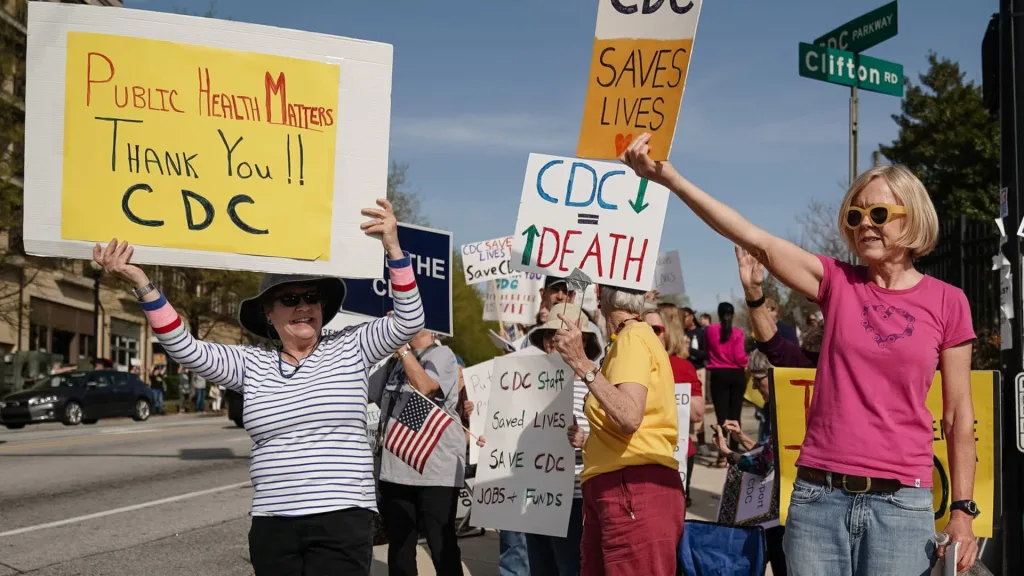
The Centers for Disease Control and Prevention (CDC) is facing unprecedented challenges, with significant staff reductions hampering its ability to fulfill its scientific and public health mission. Reports indicate that nearly a third of the agency’s workforce has been lost, raising concerns about the impact on national health initiatives and emergency response capabilities.
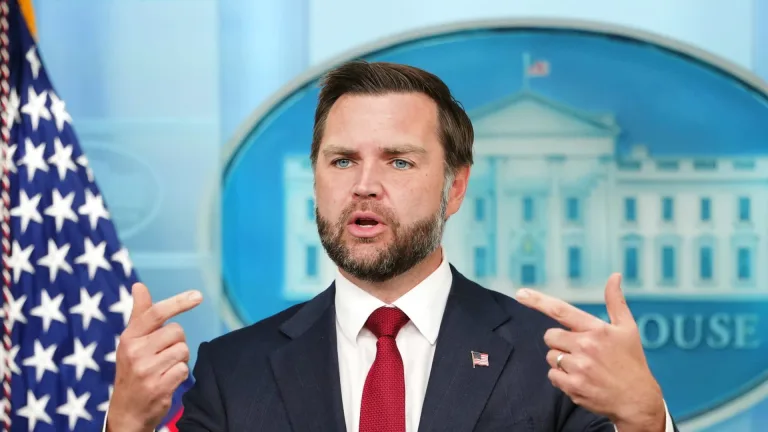
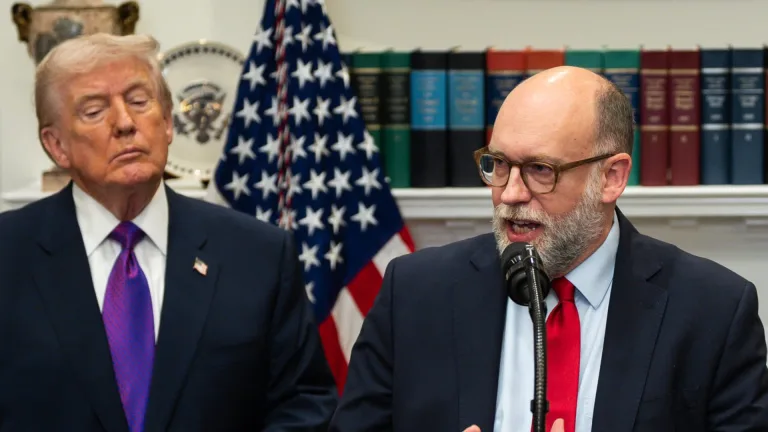
In recent years, the CDC has experienced a tightening of control from political leaders, notably Health Secretary Robert F. Kennedy Jr. and his associates, who have been accused of undermining the agency’s independence. This shift has sparked criticism from public health experts who warn that the integrity and effectiveness of the CDC are at stake.
The Implications of Staff Reductions
The loss of experienced personnel is particularly alarming in the wake of global health crises, such as the COVID-19 pandemic. With fewer experts available, the CDC’s capacity to conduct research, track disease outbreaks, and provide timely guidance to the public is severely compromised. Experts in the field emphasize that the agency’s ability to respond to emerging health threats depends on a robust workforce equipped with the necessary skills and knowledge.
Moreover, the agency’s diminished status has raised questions about the future of public health policy in the United States. As the CDC struggles to navigate these turbulent waters, the implications for Canadians and global health are significant. A weakened CDC may affect collaboration on health initiatives and research that benefit countries beyond the U.S. border.
A Call for Restoration and Autonomy
Public health advocates are urging the government to restore the CDC’s funding and independence. It is essential for the agency to regain its footing to effectively monitor and control public health threats. As the dialogue around health policy continues, a collective effort to support and empower the CDC is crucial for safeguarding not only American health but also global health security.
In the face of these challenges, it is important for citizens to stay informed and engaged. The future of public health depends on strong institutions that can operate without political interference, ensuring that science and evidence guide health decisions.