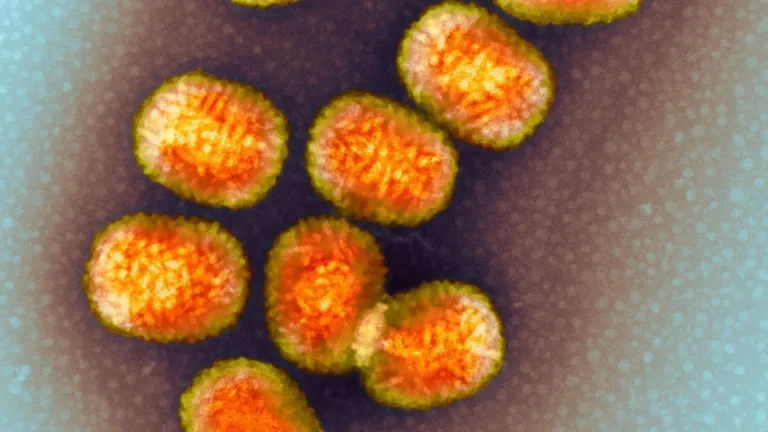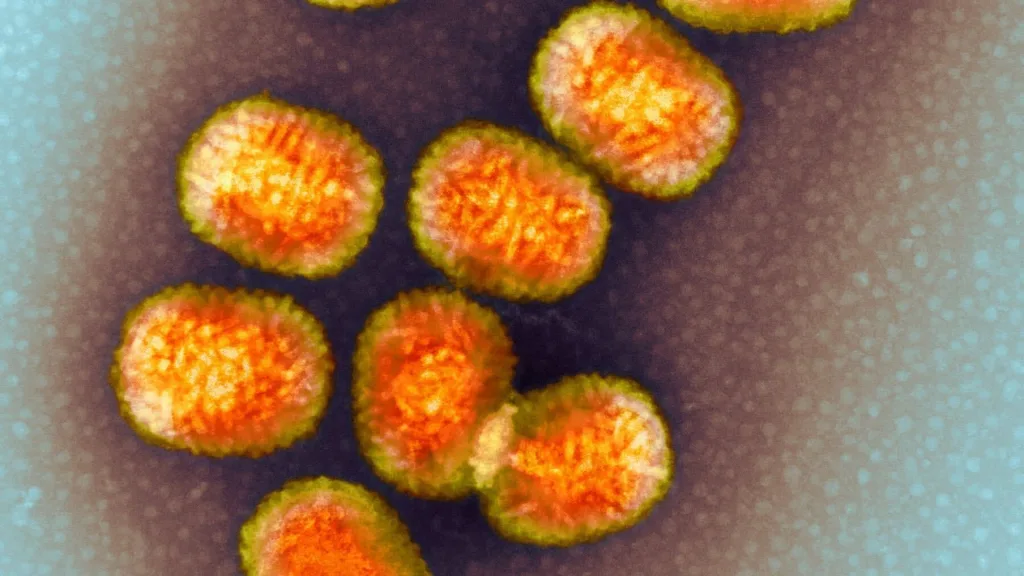
In a groundbreaking discovery, scientists have identified a human gene embedded within a virus responsible for skin infections. This revelation raises alarming questions about the virus’s ability to leverage our own genetic material to enhance its infectious capabilities.
The virus in question is known as molluscum contagiosum, which typically causes harmless skin lesions. However, researchers have found that it has adapted an essential human gene, creating a unique synergy that allows it to thrive within human hosts. By commandeering our DNA, the virus may be better equipped to evade our immune system and establish infections.
The Implications for Medical Science
This discovery is significant for several reasons. First, it suggests that viruses can evolve through direct interaction with host genes, blurring the lines between viral and human biology. Secondly, understanding this mechanism could lead to novel therapeutic strategies. If scientists can determine how the virus utilizes the human gene, they might develop targeted treatments that prevent the virus from hijacking our genetic material.
Experts in the field of virology are excited about the potential implications. Dr. Maria Chen, a leading researcher in viral genetics, states, “This finding opens a new frontier in our understanding of viral-host interactions. It could revolutionize how we approach viral infections.”
Why This Matters to You
For Canadians, particularly those interested in health and wellness, this research underscores the importance of ongoing vigilance against viruses and the need for innovative medical approaches. Skin infections, while often considered minor, can lead to complications if left untreated. Awareness and understanding of how viruses manipulate our genes could empower individuals to make informed decisions about their health.
As scientists delve deeper into the genetic interplay between humans and viruses, we may uncover new ways to protect ourselves from infections. This research serves as a reminder that the fight against viruses is not just about prevention but also about understanding the complex relationship we share with these microscopic invaders.