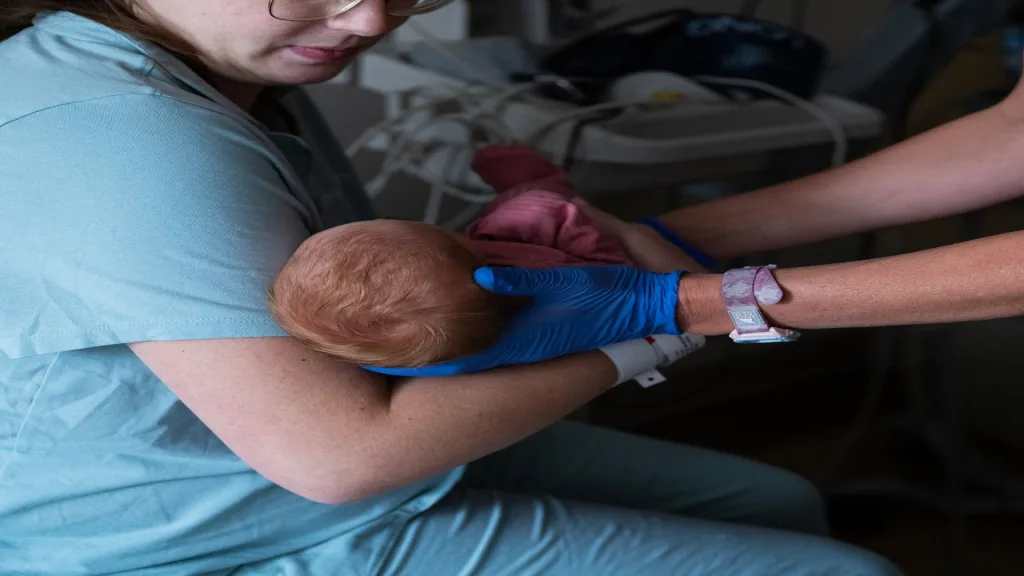
The recent abortion ban in Idaho has sparked a significant crisis in women’s health care, leading to a shortage of OB-GYNs and an alarming rise in dangerous situations for women across the state. With many doctors choosing to leave rather than practice under the new restrictions, those who remain are facing unprecedented challenges in providing care to their patients.
As the landscape of reproductive health evolves, the implications of such legislation extend far beyond the issue of abortion itself. Women in Idaho are now experiencing heightened risks during childbirth and miscarriages, as medical professionals struggle to navigate the complexities of the law while ensuring the safety of their patients.
The Exodus of Medical Professionals
Reports indicate that since the ban, a significant number of OB-GYNs have left Idaho, citing ethical and practical concerns. The dwindling number of practitioners has created a backlog for appointments, leaving many women without access to essential health services. This shortage creates a ripple effect, where the remaining doctors are overwhelmed, leading to increased stress and burnout among health care providers.
Moreover, the fear of legal repercussions has led to a chilling effect on the conversations surrounding women’s health. Doctors are often hesitant to engage in discussions about potential complications or necessary interventions for fear that they might cross legal boundaries. This environment ultimately compromises the quality of care that women receive, putting their health at risk.
Rising Health Risks for Women
The implications of the ban are particularly concerning for pregnant women facing complications. For instance, in cases of ectopic pregnancies or severe miscarriages, timely medical intervention is crucial. However, the uncertainty surrounding legalities can lead to delays in care, increasing the risks of severe health complications or even fatalities.
Furthermore, mental health has also emerged as a significant concern. The emotional toll of restricted reproductive choices, coupled with the fear of inadequate medical support, can lead to increased anxiety and depression among women. Health care providers in Idaho are now tasked not only with physical care but also with addressing the psychological impacts of these restrictive laws.
As the situation develops, it is critical for the community to advocate for better health care access and support for women. The need for comprehensive reproductive health services is more pressing than ever, and addressing these gaps is essential for ensuring the safety and well-being of women in Idaho.