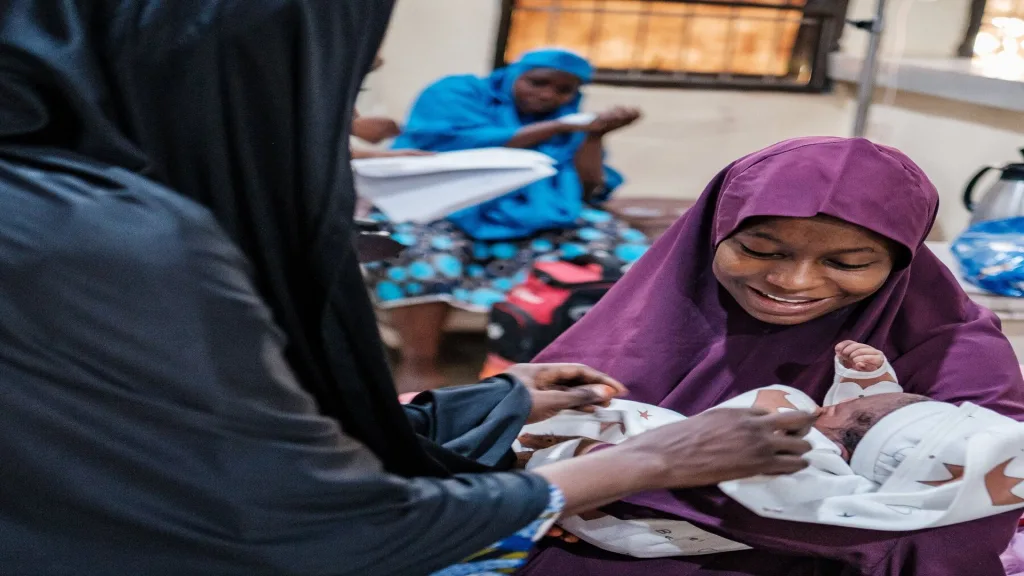
In a remarkable breakthrough for maternal health, an inexpensive plastic pouch, known as a maternal drape, is changing the landscape of childbirth for women in developing countries. Priced at just 80 cents, this innovative tool is designed to significantly reduce the risks associated with childbirth, particularly in regions where healthcare resources are scarce.
Every year, approximately 300,000 women die from complications related to pregnancy and childbirth, according to the World Health Organization. In many low-income countries, traditional methods of managing childbirth can be fraught with challenges, including inadequate medical facilities and a lack of trained personnel. The introduction of the maternal drape is a significant step toward addressing these challenges and improving maternal outcomes.
How the Maternal Drape Works
The maternal drape functions as a sterile barrier during delivery, designed to prevent infections and facilitate safe childbirth. Made from affordable materials, this pouch is easy to use and allows healthcare workers to provide better care in situations where resources are limited. This simple yet effective solution has already made a substantial impact in countries like Nigeria, where maternal mortality rates are alarmingly high.
By equipping healthcare facilities with maternal drapes, many women are now able to give birth in a cleaner and safer environment. This innovation has been praised by healthcare professionals and organizations alike, as it demonstrates that even low-cost interventions can have a profound effect on saving lives. With increased access to maternal drapes, communities are witnessing a reduction in complications and a boost in confidence for expectant mothers.
Global Implications and Future Prospects
The success of the maternal drape is drawing attention to the importance of affordable healthcare solutions in fighting maternal mortality worldwide. Countries are beginning to recognize that investing in simple, cost-effective tools can lead to significant improvements in health outcomes, especially in underserved regions.
As the global community continues to address the maternal health crisis, the maternal drape could serve as a model for future innovations aimed at improving healthcare access and safety. The hope is that this humble pouch will inspire further developments that prioritize the health and well-being of women, making childbirth safer for all.