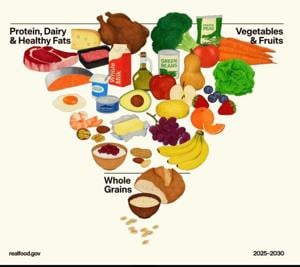
The recent guidance from the U.S. Department of Agriculture has emphasized the importance of whole foods over processed alternatives, highlighting the need for clearer dietary choices. This shift encourages individuals to prioritize nutrient-rich foods in their diets, which can significantly benefit busy adults striving for healthier lifestyles.
The new dietary guidelines advocate for the consumption of whole foods such as fruits, vegetables, whole grains, and lean proteins while minimizing processed foods filled with additives and preservatives. This policy influences everyone, particularly busy adults who often rely on convenience foods but may not realize the long-term health implications of these choices. The expectation is that communities will begin to embrace these recommendations, leading to healthier eating habits and improved overall public health.
For our readers—busy adults looking for nutritious, practical meals—this emphasis on whole foods means an opportunity to explore meal planning that aligns with a healthy lifestyle without breaking the bank. Whole foods are not only nutrient-dense but can also be budget-friendly when planned effectively. The challenge lies in overcoming the misconception that eating healthily must be expensive or time-consuming.
As this trend unfolds, it’s crucial to understand how to meal plan effectively while sticking to whole foods. Here are a few practical tips:
1. Plan Ahead: Set aside time each week to plan your meals. This helps you make informed decisions about what ingredients you need and prevents last-minute, unhealthy choices.
2. Batch Cooking: Prepare larger quantities of whole food recipes that can be stored and eaten over several days. Think soups, stews, or whole grain salads that keep well.
3. Embrace Seasonal Produce: Buying fruits and vegetables that are in season can save money while ensuring you get the freshest options available. Local farmers’ markets can be a great resource.
4. Create a Shopping List: Sticking to a list can help you avoid impulse buys. Focus on whole foods like legumes, grains, and seasonal produce.
5. Incorporate Superfoods: Foods like quinoa, kale, and lentils are not only nutritious but also versatile and often cost-effective sources of nutrients.
Understanding this trend contributes to a larger movement across North America towards healthier diets that reduce the impact of chronic diseases linked to poor nutrition. As a society, there is a growing recognition of the necessity to foster a culture of health through informed food choices.
As you consider these changes, you might find yourself asking:
– What are some easy whole food recipes I can prepare in under 30 minutes?
– How can I incorporate more vegetables into my daily meals?
– What are the best bulk ingredients to keep on hand for quick meal prep?
By engaging with these questions, you’re taking steps toward a healthier, more balanced diet that benefits both your body and your wallet.
——————–
La reciente guía del Departamento de Agricultura de EE. UU. ha enfatizado la importancia de los alimentos integrales sobre las alternativas procesadas, destacando la necesidad de elecciones dietéticas más claras. Este cambio alienta a las personas a priorizar alimentos ricos en nutrientes en sus dietas, lo que puede beneficiar significativamente a los adultos ocupados que buscan estilos de vida más saludables.
Las nuevas pautas dietéticas abogan por el consumo de alimentos integrales como frutas, verduras, granos enteros y proteínas magras, al mismo tiempo que minimizan los alimentos procesados llenos de aditivos y conservantes. Esta política influye en todos, particularmente en los adultos ocupados que a menudo dependen de alimentos convenientes pero pueden no darse cuenta de las implicaciones de salud a largo plazo de estas elecciones. La expectativa es que las comunidades comiencen a adoptar estas recomendaciones, lo que llevará a hábitos alimenticios más saludables y a una mejor salud pública en general.
Para nuestros lectores—adultos ocupados que buscan comidas nutritivas y prácticas—esta énfasis en los alimentos integrales significa una oportunidad para explorar la planificación de comidas que se alinea con un estilo de vida saludable sin romper el banco. Los alimentos integrales no solo son densos en nutrientes, sino que también pueden ser económicos cuando se planifican de manera efectiva. El desafío radica en superar la idea errónea de que comer de manera saludable debe ser caro o que consume mucho tiempo.
A medida que se desarrolla esta tendencia, es crucial entender cómo planificar comidas de manera efectiva mientras se adhiere a alimentos integrales. Aquí hay algunos consejos prácticos:
1. Planifica con Anticipación: Dedica tiempo cada semana para planificar tus comidas. Esto te ayuda a tomar decisiones informadas sobre qué ingredientes necesitas y evita elecciones poco saludables de último minuto.
2. Cocina en Lote: Prepara cantidades grandes de recetas de alimentos integrales que pueden almacenarse y consumirse durante varios días. Piensa en sopas, guisos o ensaladas de granos enteros que se conservan bien.
3. Aprovecha la Producción de Temporada: Comprar frutas y verduras que están de temporada puede ahorrar dinero mientras aseguras obtener las opciones más frescas disponibles. Los mercados de agricultores locales pueden ser un gran recurso.
4. Crea una Lista de Compras: Atenerte a una lista puede ayudarte a evitar compras impulsivas. Concéntrate en alimentos integrales como legumbres, granos y productos de temporada.
5. Incorpora Superalimentos: Alimentos como la quinoa, la col rizada y las lentejas no solo son nutritivos, sino también versátiles y, a menudo, fuentes rentables de nutrientes.
Entender esta tendencia contribuye a un movimiento más amplio en toda América del Norte hacia dietas más saludables que reduzcan el impacto de enfermedades crónicas vinculadas a una mala nutrición. Como sociedad, hay un reconocimiento creciente de la necesidad de fomentar una cultura de salud a través de elecciones alimentarias informadas.
Al considerar estos cambios, es posible que te encuentres preguntando:
– ¿Cuáles son algunas recetas de alimentos integrales fáciles que puedo preparar en menos de 30 minutos?
– ¿Cómo puedo incorporar más verduras en mis comidas diarias?
– ¿Cuáles son los mejores ingredientes a granel que debo tener a mano para una preparación rápida de comidas?
Al involucrarte con estas preguntas, estás dando pasos hacia una dieta más saludable y equilibrada que beneficia tanto a tu cuerpo como a tu billetera.