The transition to a greener economy hinges on innovative solutions that address sustainability challenges. One such solution lies in reusing industrial surplus, a strategy that not only minimizes waste but also significantly reduces carbon emissions. Recent studies have shown that repurposing excess materials can support decarbonization efforts far more effectively than traditional scrapping methods.
In many industries, surplus materials are often viewed as waste, leading to their disposal in landfills. However, this perspective is changing. By recognizing the potential of these materials, businesses can unlock a treasure trove of resources that can be reintegrated into production processes. This not only conserves raw materials but also cuts down on the energy required to produce new goods from scratch.
The Environmental Impact of Reuse
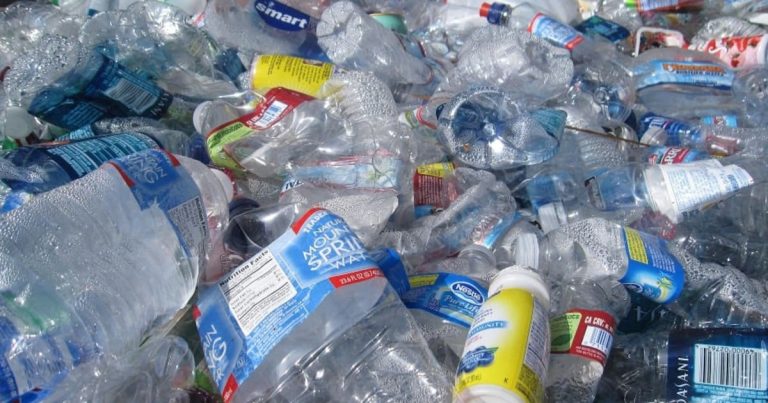
Reusing industrial surplus contributes directly to lowering carbon footprints. According to experts, recycling and reusing materials can reduce greenhouse gas emissions by a staggering amount. For instance, reusing plastics can prevent the release of up to 2.5 times more carbon dioxide compared to recycling them. This means that companies embracing reuse not only meet regulatory demands but also position themselves as leaders in the fight against climate change.
Moreover, the practice of reusing industrial surplus can stimulate local economies. By creating supply chains that prioritize the use of repurposed materials, businesses foster innovation and job creation within their communities. This aligns with the growing trend of ethical shopping, where consumers are increasingly drawn to brands committed to sustainable practices.
Case Studies of Success
Several companies have successfully implemented surplus reuse strategies with impressive results. For example, in the automotive industry, manufacturers are beginning to source materials from decommissioned vehicles, which has led to significant cost savings and reduced environmental impact. Similarly, the construction sector is using surplus materials from previous projects to build new structures, showcasing how creative reuse can be applied across various industries.
As cities like Toronto and Vancouver push for more sustainable practices, businesses that adopt these innovative approaches to surplus materials will not only comply with regulations but will also enhance their brand reputation. Consumers are becoming more conscientious, seeking out sustainable brands that prioritize environmental responsibility.
The shift towards reusing industrial surplus represents a pivotal step in the broader narrative of sustainability. By rethinking how we view waste, we can create a more circular economy that benefits both businesses and the planet. Embracing this change is essential for any company looking to thrive in an increasingly eco-conscious market.