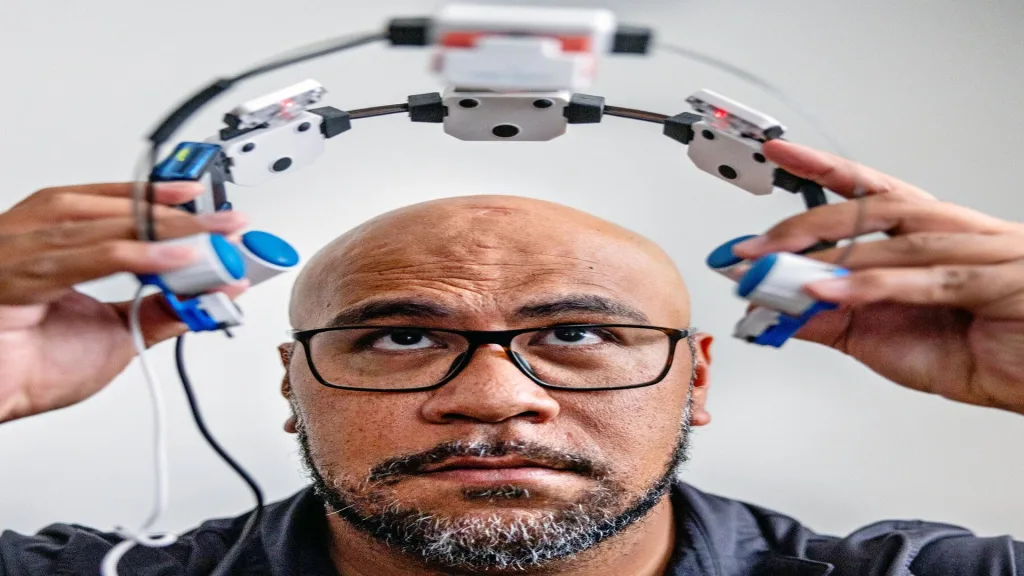
The safety of football players has been under scrutiny in recent years, particularly regarding chronic traumatic encephalopathy (C.T.E.), a degenerative brain disease linked to repeated head injuries. As researchers delve deeper into this pressing issue, innovative treatments are emerging, including the surprising use of near-infrared light.
C.T.E. has become a significant concern for athletes, coaches, and families, with numerous former players suffering from its devastating effects. This has prompted a surge in research aimed at understanding and preventing C.T.E. While traditional methods focus on improving helmet technology and enforcing stricter rules to minimize head impacts, scientists are now exploring more unorthodox approaches.
Near-Infrared Light: A Game-Changer?
One of the most promising developments comes from studies indicating that near-infrared light therapy may help mitigate the damage caused by concussions. This technique works by penetrating the skull and stimulating cellular repair processes within the brain. Researchers believe that this could potentially reverse some of the neurodegenerative effects associated with C.T.E.
Initial trials have shown positive outcomes, with participants reporting improvements in cognitive function and a reduction in symptoms after treatments. As this research progresses, the hope is that near-infrared light therapy could become a standard part of post-injury protocols for athletes.
Broader Implications for Brain Health
The implications of these findings extend beyond the football field. If successful, near-infrared light therapy could serve as a model for treating other types of brain injuries, potentially benefiting not only athletes but also military personnel, accident victims, and individuals suffering from neurodegenerative diseases.
The fight against C.T.E. emphasizes the need for continual innovation in sports safety. As awareness grows, so does the urgency for effective solutions that prioritize player health. The intersection of technology and health sciences could herald a new era in sports safety, where brain injuries are managed with the same seriousness as physical injuries.
In cities like Toronto, where football culture thrives, the community is eager for advancements that can protect athletes. Coaches, parents, and players alike are hopeful that research into C.T.E. will lead to safer playing conditions and healthier futures.