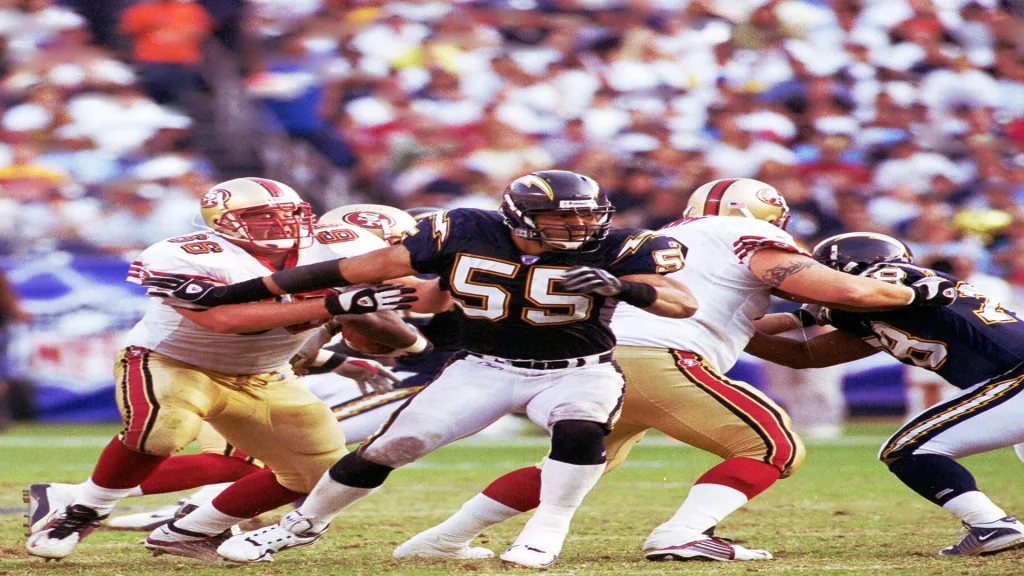
A recent study has brought to light alarming new estimates regarding chronic traumatic encephalopathy (CTE) among retired NFL players. Utilizing advanced statistical techniques, researchers have concluded that approximately 75% of former professional football players are likely to have had CTE at the time of their death. This staggering statistic highlights a growing public health crisis that demands urgent attention.
The implications of this research extend beyond the football field, as CTE is a neurodegenerative disease linked to repeated head trauma. Symptoms often include memory loss, confusion, and severe mood swings, leading many to question the long-term health and well-being of those who participated in the sport. The NFL has faced increasing scrutiny over its handling of player safety, especially as more evidence emerges about the risks associated with concussions and head injuries.
The Ripple Effects of CTE
This new data does not just pose questions for retired players but also raises concerns for current athletes and their families. The NFL has implemented various protocols designed to protect players, including stricter concussion protocols and educational initiatives aimed at raising awareness about the risks of head injuries. However, the reality remains that the sport’s nature—marked by high-impact collisions—continues to place players at risk for long-term neurological conditions.
As researchers continue to study the effects of CTE, it is necessary to foster discussions about preventive measures and treatment options. Organizations like the Concussion Legacy Foundation are advocating for more comprehensive research and support for those affected by CTE, emphasizing the need for a multi-faceted approach to address this growing concern.
What Can Be Done?
For parents considering youth football for their children, these findings may prompt a reevaluation of the sport’s safety. While football can teach valuable life skills such as teamwork and perseverance, weighing these benefits against the potential risks is crucial. Additionally, ongoing education about the signs of concussion and the importance of immediate reporting can help mitigate risks for young athletes.
As we reflect on these findings, it becomes evident that addressing the crisis of CTE in football requires a collective effort from athletes, families, and governing bodies alike. By prioritizing player health and safety and advocating for robust research, we can work towards a future where the joys of football do not come at the expense of mental health.