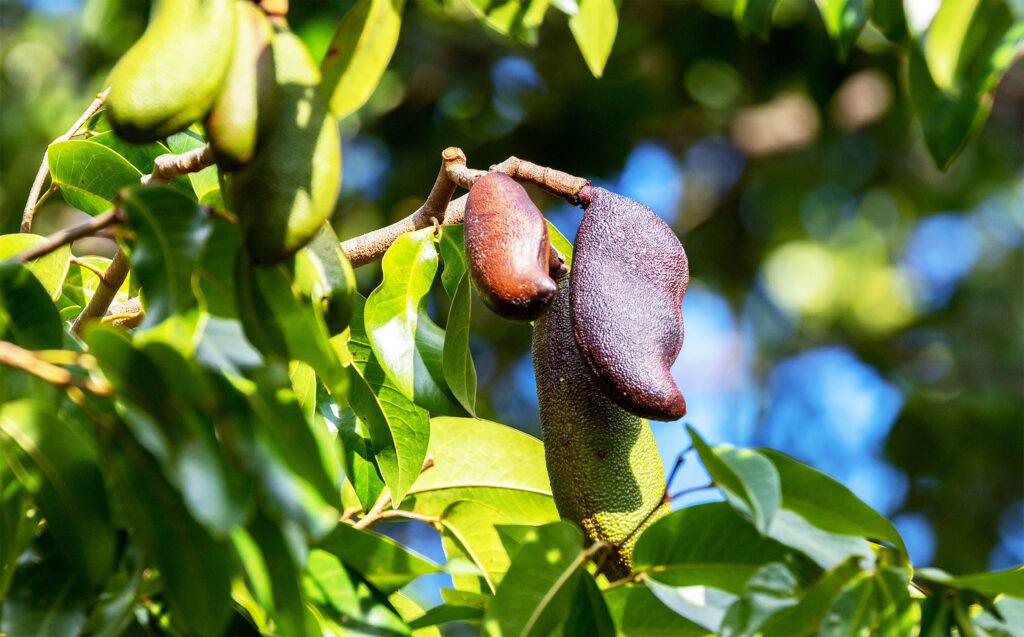
Recent developments have brought the Stinking Toe Tree (Hymenaea courbaril) to the forefront of discussions surrounding herbal medicine and food sources. Researchers are advocating for this often-overlooked tree due to its potential health benefits, including fiber, antioxidants, and natural gums that could play vital roles in both nutrition and medicinal applications. This interest highlights a growing trend toward natural remedies and sustainable practices in food and health.
The renewed focus on the Stinking Toe Tree stems from recent studies emphasizing its nutritional profile and therapeutic properties. Scientists suggest that the fruit, known for its rich fiber content and antioxidant properties, may serve as an alternative to synthetic supplements commonly found in today’s health markets. Communities that historically utilized this tree can expect a resurgence of interest in traditional practices, as well as potential economic opportunities through sustainable harvesting and cultivation.
For readers inclined toward herbal medicine and non-pharma symptom relief, the exploration of the Stinking Toe Tree provides an exciting avenue for natural health solutions. Its components may not only enhance diet but also serve as remedies for various health concerns, thereby attracting those seeking alternatives to pharmaceutical options. As interest grows, it could lead to more research, development, and availability of such natural products.
This trend is part of a larger movement in North America, where there is an increasing demand for natural and plant-based remedies. With consumers becoming increasingly aware of the side effects associated with pharmaceuticals, many are turning toward herbal supplements and organic foods. The revival of traditional healing methods and indigenous knowledge systems is gaining traction, driven by both environmental awareness and a desire for holistic health.
As you contemplate the implications of this trend in herbal medicine, you might find yourself asking:
1. What other lesser-known trees or plants have potential health benefits?
2. How can I incorporate more natural remedies into my daily routine?
3. What reputable sources can I explore for information on herbal medicine?
By staying informed and engaged with this evolving landscape, readers can make empowered decisions about their health and wellness.
——————–
Recientes desarrollos han llevado al árbol Stinking Toe (Hymenaea courbaril) a la vanguardia de las discusiones sobre medicina herbal y fuentes de alimentos. Investigadores están abogando por este árbol a menudo pasado por alto debido a sus posibles beneficios para la salud, que incluyen fibra, antioxidantes y gomas naturales que podrían desempeñar roles vitales tanto en la nutrición como en aplicaciones medicinales. Este interés destaca una creciente tendencia hacia remedios naturales y prácticas sostenibles en la alimentación y la salud.
El renovado enfoque en el árbol Stinking Toe proviene de estudios recientes que enfatizan su perfil nutricional y propiedades terapéuticas. Los científicos sugieren que el fruto, conocido por su alto contenido de fibra y propiedades antioxidantes, puede servir como una alternativa a los suplementos sintéticos comúnmente encontrados en los mercados de salud actuales. Las comunidades que históricamente utilizaron este árbol pueden esperar un resurgimiento del interés por las prácticas tradicionales, así como oportunidades económicas potenciales a través de la cosecha y cultivo sostenibles.
Para los lectores inclinados hacia la medicina herbal y el alivio de síntomas no farmacéuticos, la exploración del árbol Stinking Toe ofrece una emocionante vía para soluciones de salud natural. Sus componentes pueden no solo enriquecer la dieta, sino también servir como remedios para diversas preocupaciones de salud, atrayendo así a aquellos que buscan alternativas a las opciones farmacéuticas. A medida que aumenta el interés, podría llevar a más investigaciones, desarrollos y disponibilidad de tales productos naturales.
Esta tendencia es parte de un movimiento más amplio en América del Norte, donde hay una creciente demanda de remedios naturales y a base de plantas. Con los consumidores cada vez más conscientes de los efectos secundarios asociados con los fármacos, muchos están volviendo hacia suplementos herbales y alimentos orgánicos. El renacimiento de métodos de curación tradicionales y sistemas de conocimiento indígenas está ganando terreno, impulsado tanto por la conciencia ambiental como por el deseo de una salud holística.
A medida que contemplas las implicaciones de esta tendencia en la medicina herbal, podrías encontrarte preguntando:
1. ¿Qué otros árboles o plantas menos conocidos tienen potenciales beneficios para la salud?
2. ¿Cómo puedo incorporar más remedios naturales en mi rutina diaria?
3. ¿Qué fuentes confiables puedo explorar para obtener información sobre medicina herbal?
Al mantenerse informado y comprometido con este paisaje en evolución, los lectores pueden tomar decisiones empoderadas sobre su salud y bienestar.